
Is Athlete’s Foot (Tinea Pedis) Contagious?
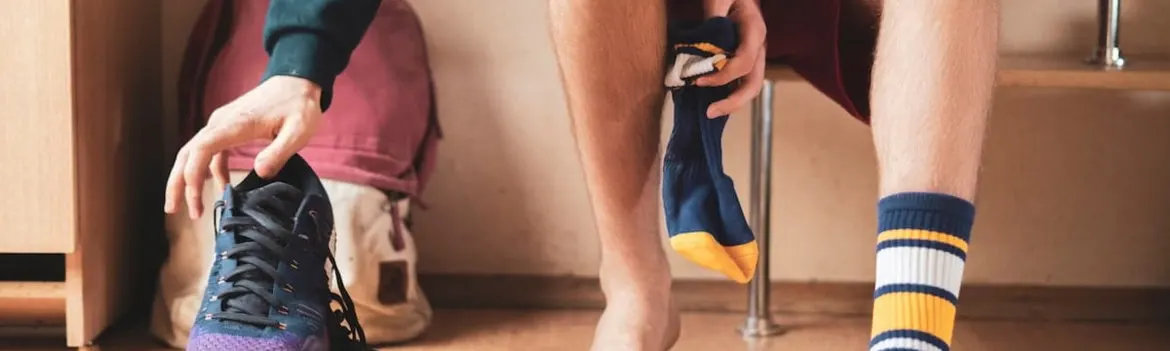
Yes, athlete's foot is contagious. Athlete's foot (tinea pedis) is a fungal skin infection, and the fungi that cause it spread from person to person through direct skin contact and, much more often, through contaminated surfaces: shower floors, locker rooms, pool decks, towels, socks and shoes. You can also spread it to other parts of your own body.
The good news is that it is rarely serious, it usually responds well to treatment, and a few simple habits make it much less likely that you catch it or pass it on.
How Athlete's Foot Spreads
The fungi that cause athlete's foot belong to the dermatophyte group, most often Trichophyton. They thrive in warm, damp places and spread through:
- Walking barefoot in shared showers, locker rooms, gyms, spas and around pools
- Sharing towels, socks, shoes or nail clippers
- Direct contact with the infected skin of another person
- Wearing damp, sweaty socks and shoes for long periods, which lets the fungus multiply
Not everyone who is exposed gets infected. Sweaty feet, tight shoes that don't breathe, small cuts or cracks in the skin, diabetes and a weakened immune system all raise the risk. Warm, humid weather like ours in South Florida makes it more common too.
Can Athlete's Foot Spread to Other Parts of the Body?
Yes. The same fungus can move from your feet to:
- Toenails: a fungal nail infection (toenail fungus), which is harder to clear than the skin infection.
- Hands: usually one hand, the one used to scratch or pick at the feet.
- Groin: jock itch (tinea cruris). Drying your feet last after a shower and putting your socks on before your underwear helps prevent it.
- Legs and other skin: less common, usually through scratching or a shared towel.
It spreads by touch, not through the bloodstream, which is why washing your hands after touching your feet makes such a difference.
Symptoms of Athlete's Foot
Athlete's foot usually starts between the toes, most often between the fourth and fifth toes. Common signs include:
- Itching, stinging or burning, often worse right after taking off shoes and socks
- Red, scaly, peeling or cracked skin between the toes
- Dry, scaly skin on the soles and sides of the foot (a "moccasin" pattern)
- Small blisters, which may ooze
- Thick, discolored or crumbly toenails when the nails are involved
Read more about athlete's foot symptoms and how they differ from other skin problems.
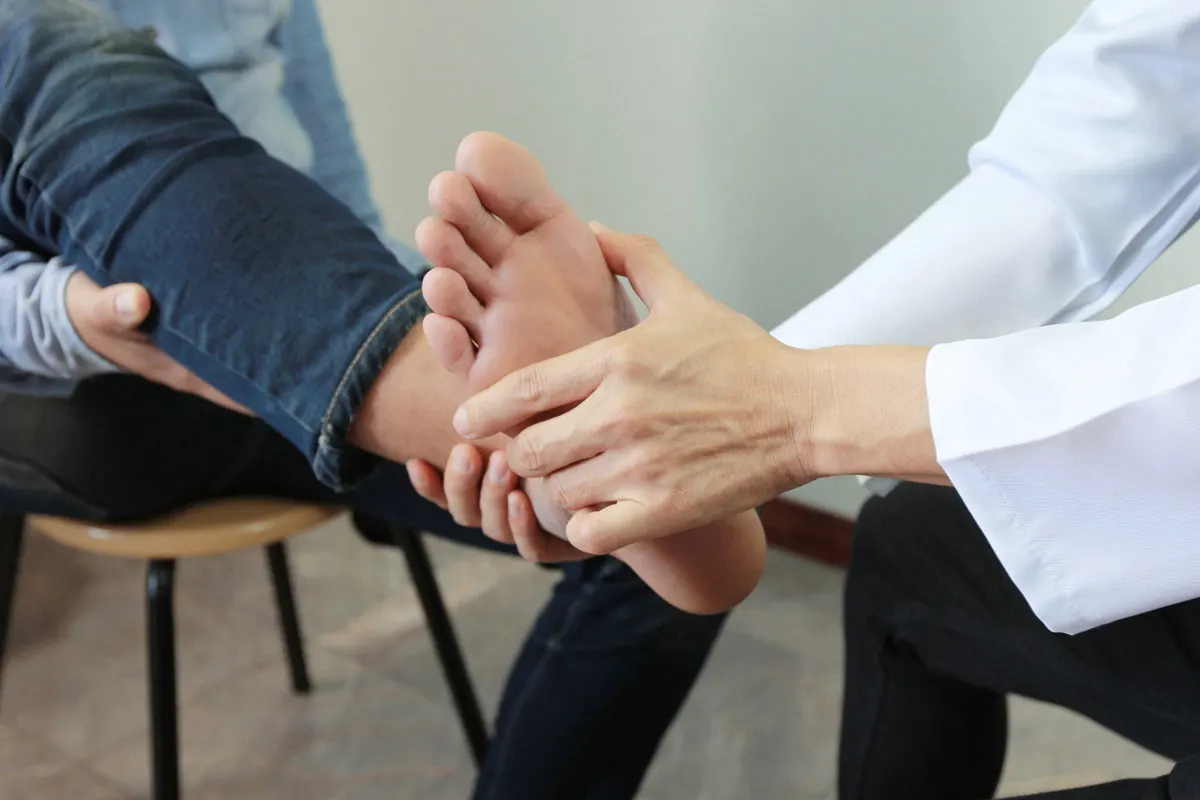
Committed to Excellent Service
Our philosophy has been that the patient always comes first.
How Long Is Athlete's Foot Contagious?
You can pass athlete's foot on for as long as the fungus is present on your skin, and that includes the days or weeks when the rash is already improving. Keep treating it for as long as the product label or your podiatrist says, even after the itching stops: stopping early is one of the most common reasons it comes back.
How to Avoid Spreading Athlete's Foot at Home and at the Gym
- Wear shower shoes or flip-flops in locker rooms, gym showers, hotel bathrooms and around pools.
- Don't share towels, socks, shoes or nail clippers, and use a separate towel for your feet while you're infected.
- Wash socks, towels, bath mats and bedding in hot water.
- Clean the shower or bathtub floor regularly while someone in the household is infected.
- Dry your feet thoroughly after bathing, especially between the toes.
- Change your socks at least once a day, more often if your feet sweat, and choose moisture-wicking socks.
- Rotate your shoes so each pair can dry out, and use an antifungal powder or spray inside them.
- Wash your hands after touching or treating your feet.

Walk-Ins Welcome
Monday to Friday
See a foot and ankle specialist at our offices in Key West, Homestead and Coral Gables. For a medical emergency, call 911.
Treating Athlete's Foot
Most mild cases clear up with over-the-counter antifungal creams, sprays or powders containing terbinafine, clotrimazole, miconazole or tolnaftate. Use the product exactly as directed and keep the area clean and dry.
See a podiatrist if:
- The rash doesn't improve after two weeks of over-the-counter treatment, or it keeps coming back
- Your toenails are thick, discolored or crumbly
- You have diabetes, poor circulation or a weakened immune system
- The skin is cracked and painful, or you notice signs of a bacterial infection: spreading redness, warmth, swelling or pus
A podiatrist can confirm the diagnosis (eczema, psoriasis and other conditions can look like athlete's foot) and prescribe stronger topical or oral antifungal medication when needed. At Southernmost Foot & Ankle Specialists, our podiatrists treat athlete's foot and fungal nail infections at our offices in Coral Gables, Homestead and Key West.
Conclusion
Athlete's foot is contagious, but it is easy to prevent and usually easy to treat. Keep your feet clean and dry, protect them in shared wet areas, don't share towels or footwear, and finish your treatment. If it doesn't clear up, contact us to see one of our foot specialists.
Our state-of-the-art facilities, fracture experts, and sports medicine specialists offer digital X-rays and laser treatments for pain and other conditions. We also offer the latest in treatment of spider veins, wound care, and other sports medicine injuries.
Frequently Asked Questions
How long is athlete's foot contagious?
For as long as the fungus is present on your skin, including while the rash is already getting better. Keep using your treatment for as long as the label or your podiatrist says, even after the itching stops; stopping early is a common reason it comes back.
Can athlete's foot spread to your legs, hands or groin?
Yes. The same fungus can spread to the toenails, to the hand you use to scratch your feet, to the groin (jock itch) and, less often, to the legs. It spreads by touch and through towels, not through the bloodstream, so wash your hands after touching your feet and dry your feet last after a shower.
Can I go to the gym or the pool if I have athlete's foot?
Yes, as long as you protect others and yourself: wear shower shoes in locker rooms and around the pool, don't walk barefoot on shared floors, dry your feet well afterwards and keep treating the infection.
Can athlete's foot spread through socks, towels or bed sheets?
Yes. The fungus can survive on fabrics and damp surfaces. Don't share towels, socks or shoes, and wash socks, towels, bath mats and bedding in hot water while you are infected.
When should I see a podiatrist for athlete's foot?
If it doesn't improve after two weeks of over-the-counter treatment, keeps coming back, spreads to the toenails, or if you have diabetes, poor circulation or a weakened immune system. See a doctor promptly if you notice spreading redness, warmth, swelling or pus, which can mean a bacterial infection.